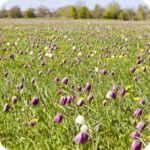
Snakeshead Fritillary (Fritillaria meleagris) Bulbs In The Green
£0.99
Minimum order of 10 units (10 bulbs).
Out of stock
This product is currently sold out.
No worries! Enter your email, and we'll let you know as soon as it's back in stock.
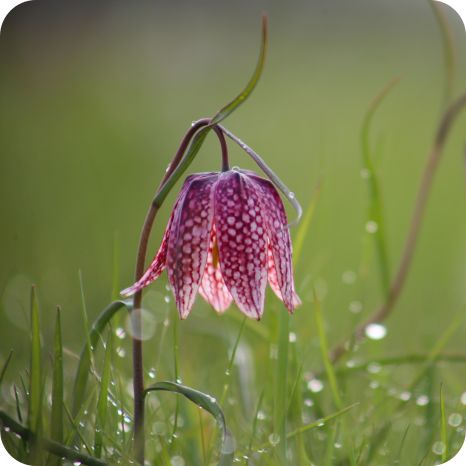
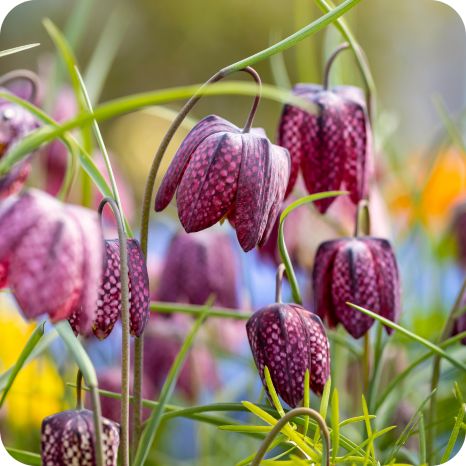
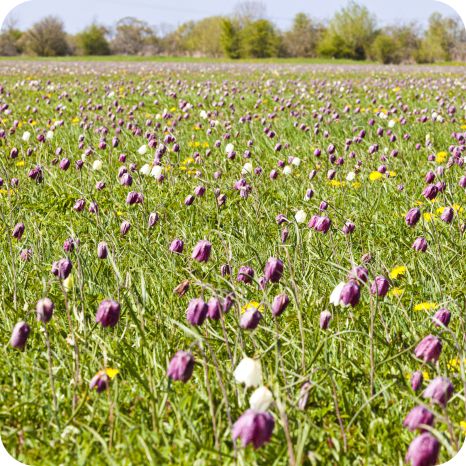
Snakeshead Fritillary (Fritillaria meleagris) produce pretty, pendant, white and pinkish-purple bells with distinctive checkerboard markings on slender stems. This plant is rare in the wild, inhabiting only a few damp, protected meadows mainly in central and southern England.
The term “In the green” describes bulbs that are actively growing rather than dormant, with visible green shoots. Planting bulbs in the green helps them establish more successfully, as you put them in the ground while they are alive and growing, reducing the risk of failure. You typically plant these bulbs in spring, unlike dry bulbs, which you plant in autumn.
Our Snakeshead Fritillary are true native plants grown from seed collected from our native woodlands. The bulbs are brought on in our nursery and we have a planting out area for these plants. We are able to provide site locations of the sourced stock if required. The bulbs need to be planted between September and the end of November.
Price quoted per individual bulbils. This product has a minimum quantity of 10 bulbils. For orders over 1000 Snakeshead Fritillaries please contact us as we can arrange a bespoke quotation. The bulbs will be sent out as soon as they are ready.
All our plants are native British wildflowers grown from wild seed in our sustainable peat free nursery.
| Common Name | Snakeshead Fritillary – bulbs in the green |
|---|---|
| Annual, Perennial or Biennial | Perennial |
| Latin Name | Fritillaria Meleagris |
| Height | 10 – 40cm |
| Flowering Time | April – May |
| Colour | Pink, to Purple or White |
| Management | Snakeshead Fritillary is a hardy plant, although can be prone to destruction by grazers such as rabbits. It can tolerate either full sun or partial shade and a range of soil types, although it grows best in damp, well-drained soils. Ensure the grassland is cut late Autumn to ensure the grass is low in early Spring. |
| Fact Sheet Included | Yes |