













Pollinators Plug Plant Mix
Price range: £17.00 through £52.00
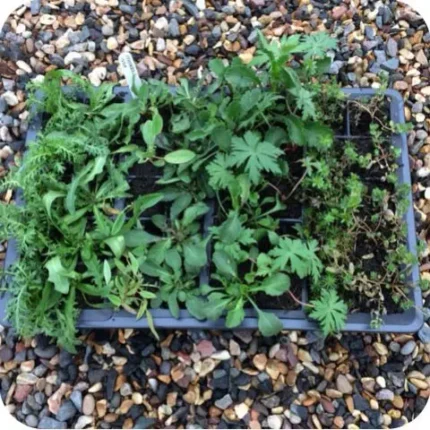
Plug plants selected by us, subject availability.
Our Pollinators Plug Plant Mix contains native wildflower species specifically chosen to attract and support vital pollinators. Each order includes guidance on planting, maintenance, and management to help you create a thriving wildflower habitat. By establishing these plants, you increase habitat availability and connectivity for bees, butterflies, and other insects, enhancing the natural history of your garden. Cumbria Wildflowers follows the Royal Horticultural Society’s Plants for Pollinators scheme, ensuring all plants meet RHS pollinator-friendly principles. We never use neonicotinoid insecticides, so there is no risk to native insects from our plants.
Depending on your order the plug mixes are as follows.
12 plug plant mix – 2 plants from 6 plant species
24 plug plant mix – 3 plants from 8 plant species
40 plug plant mix – 5 plants from 8 plant species
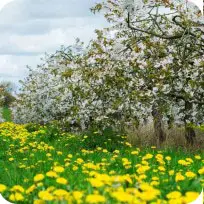
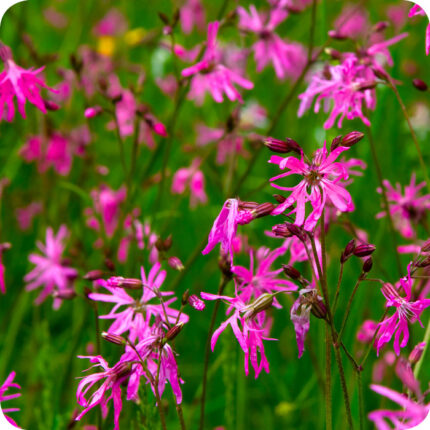
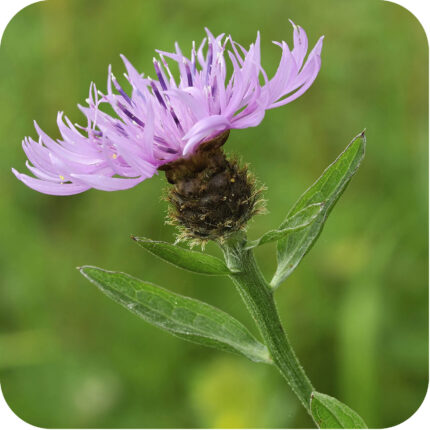
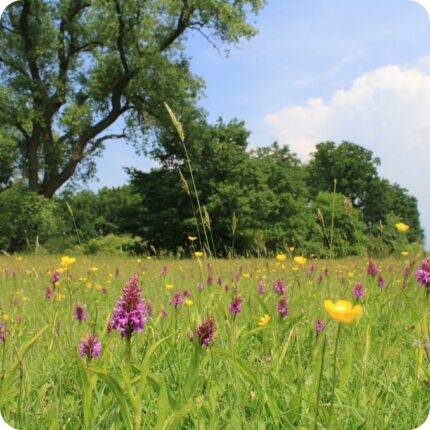
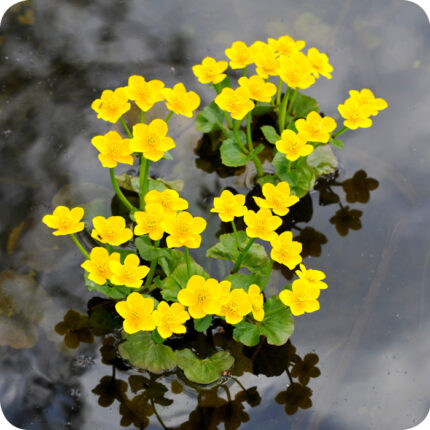
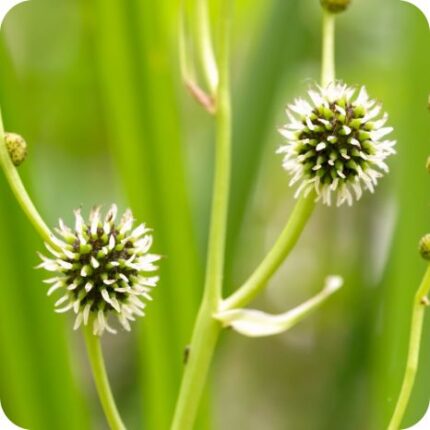
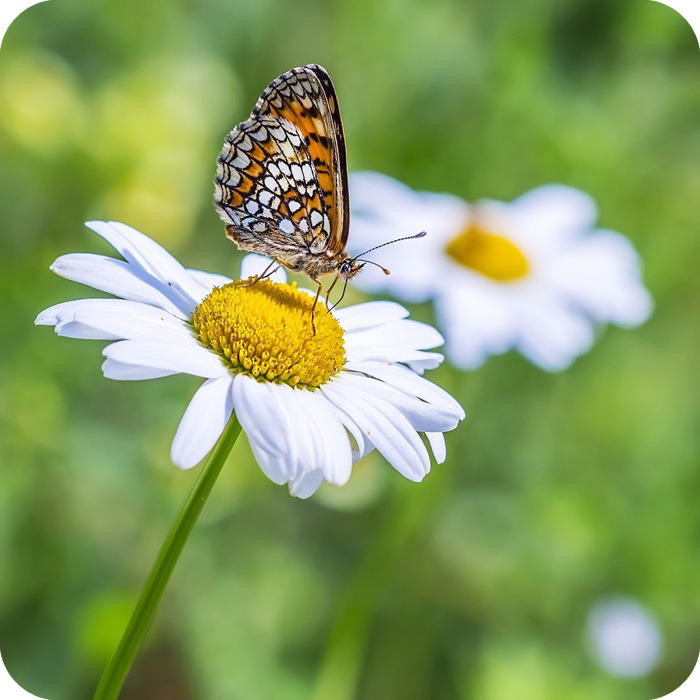
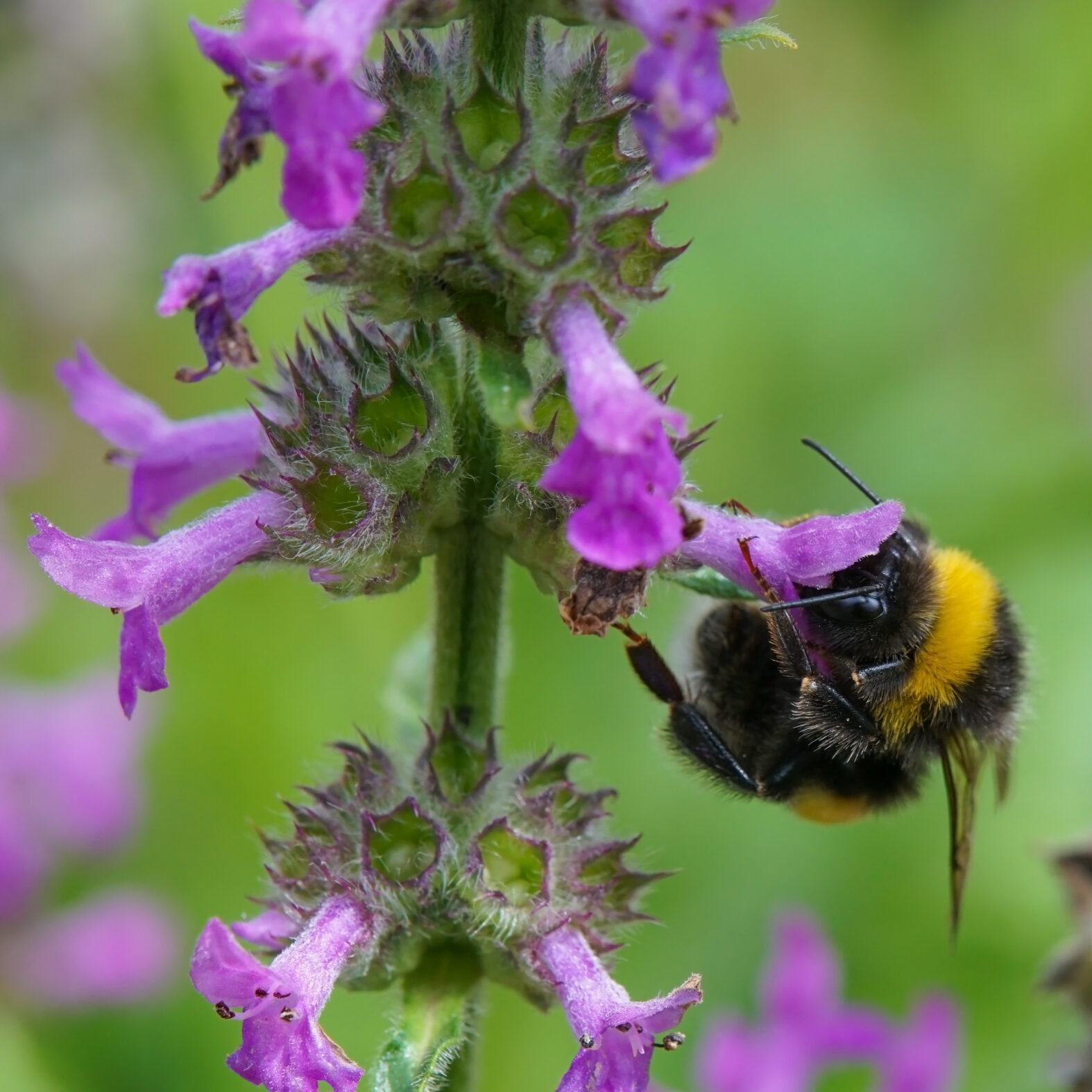
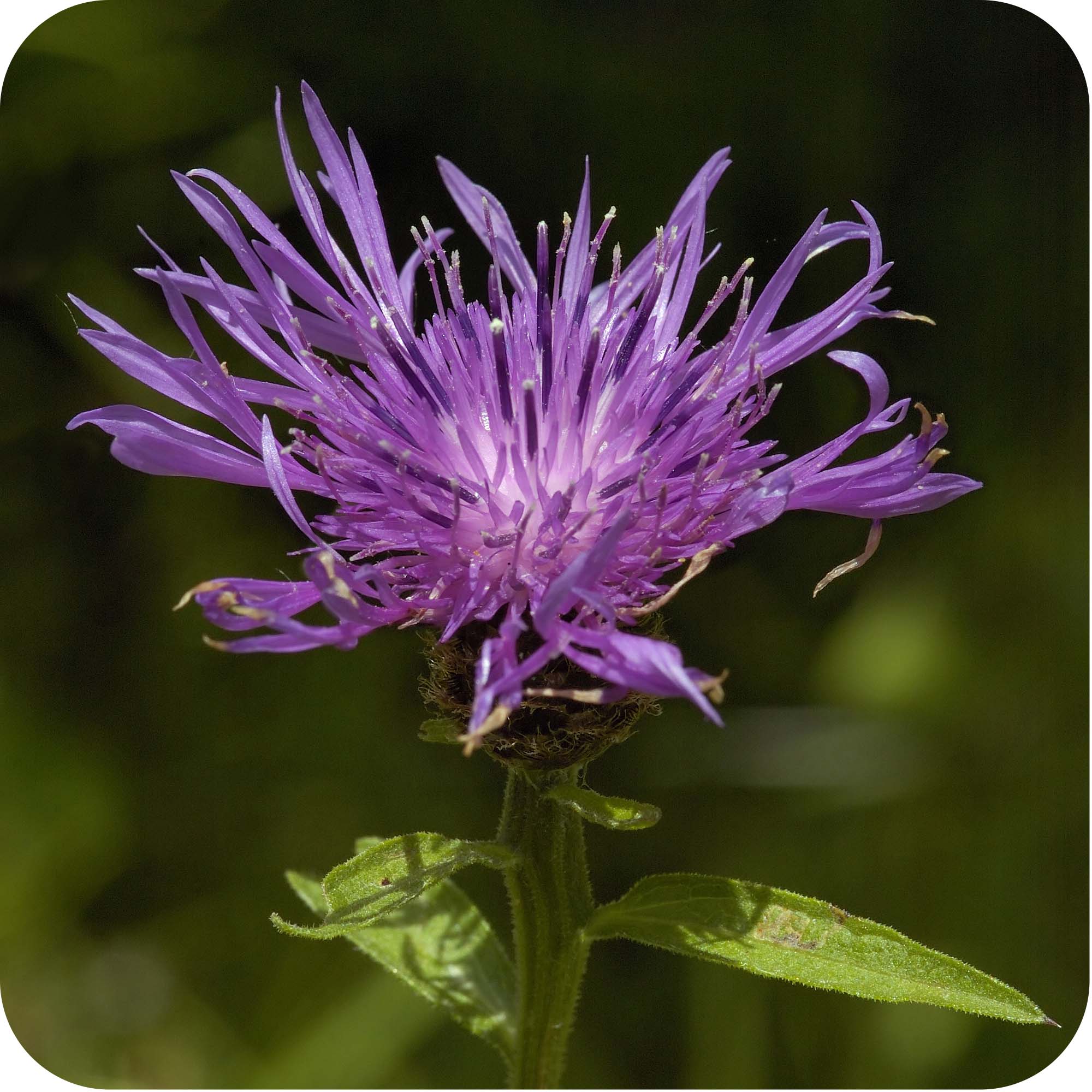
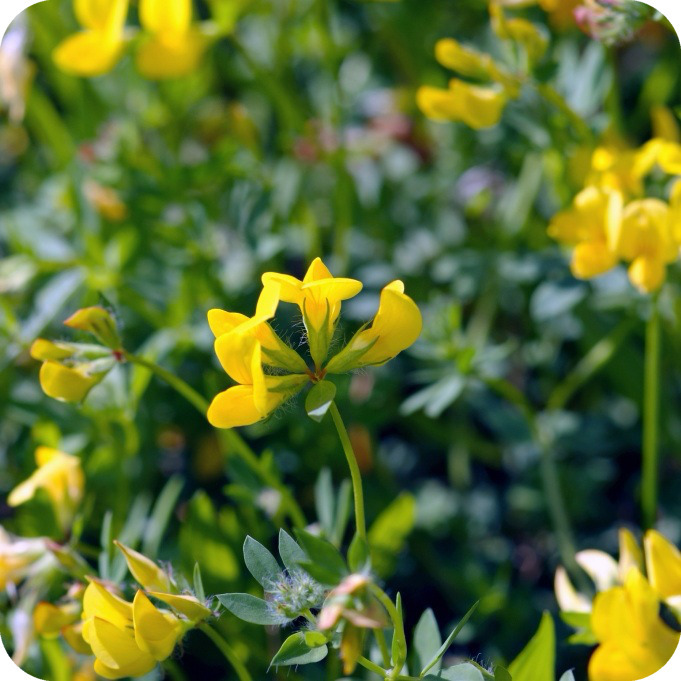
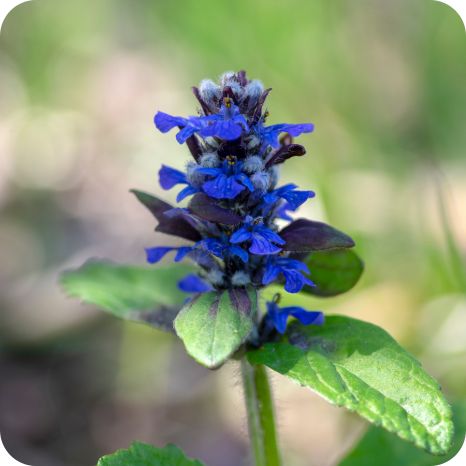
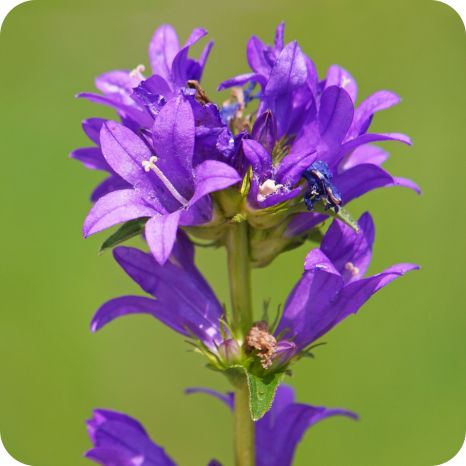
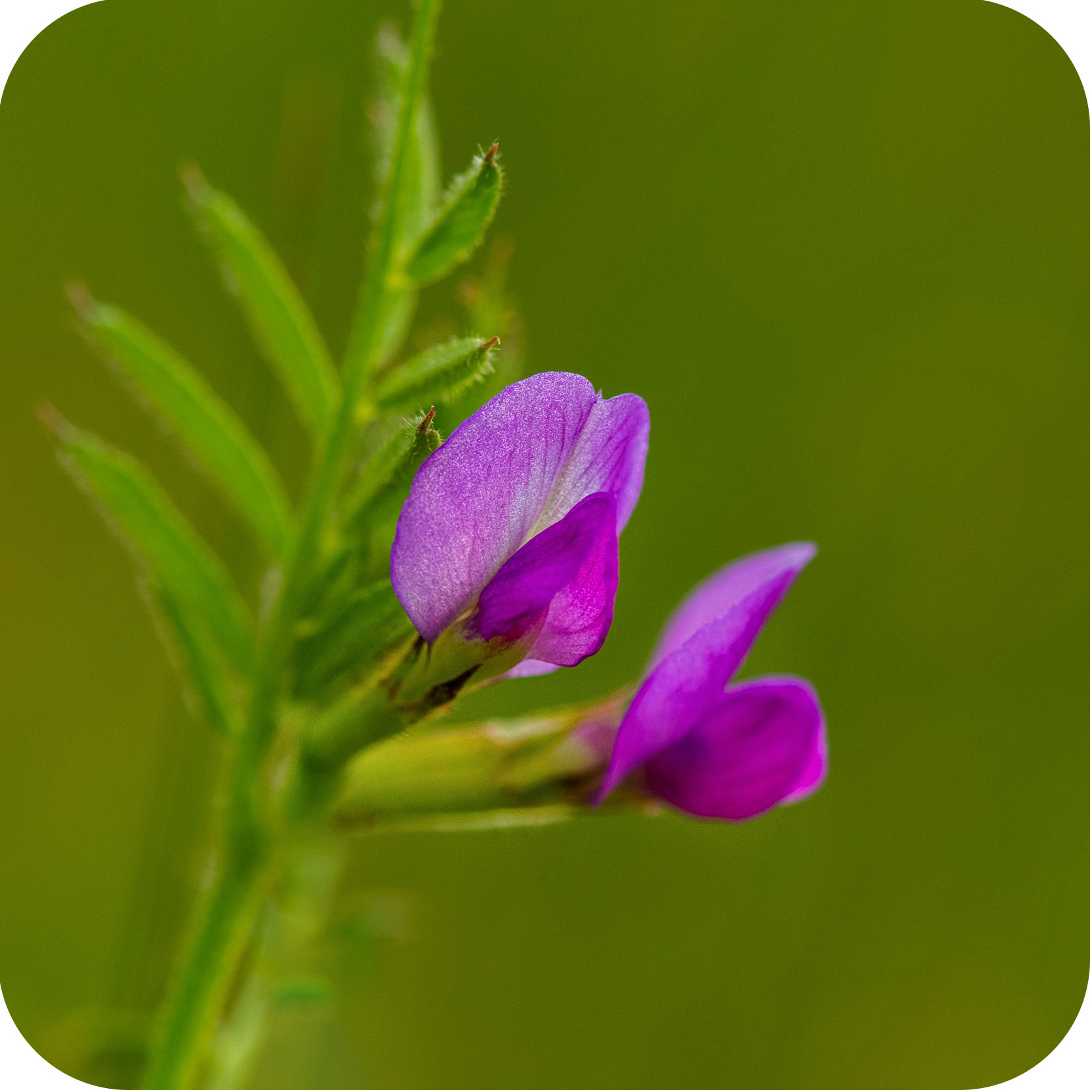
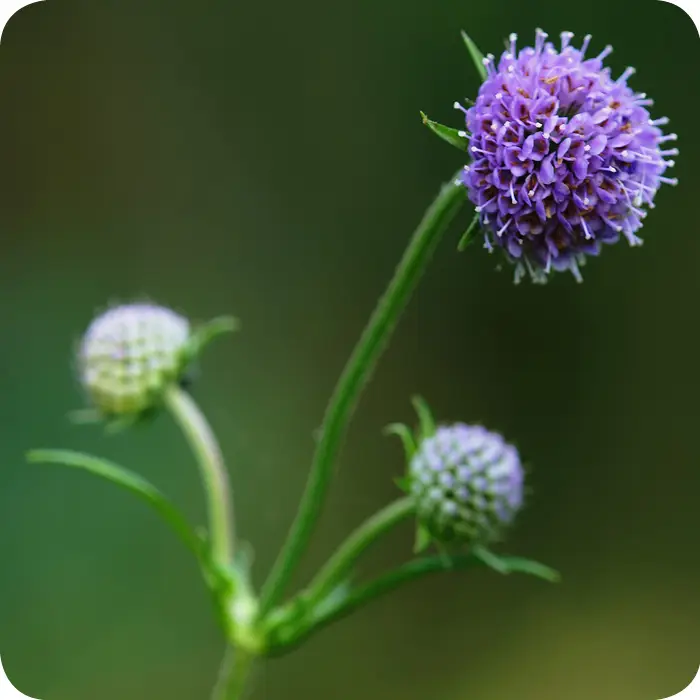
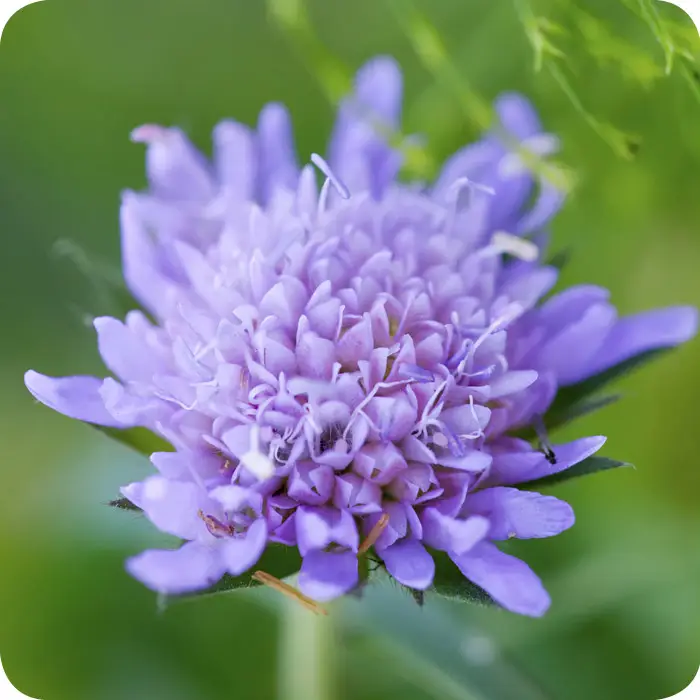
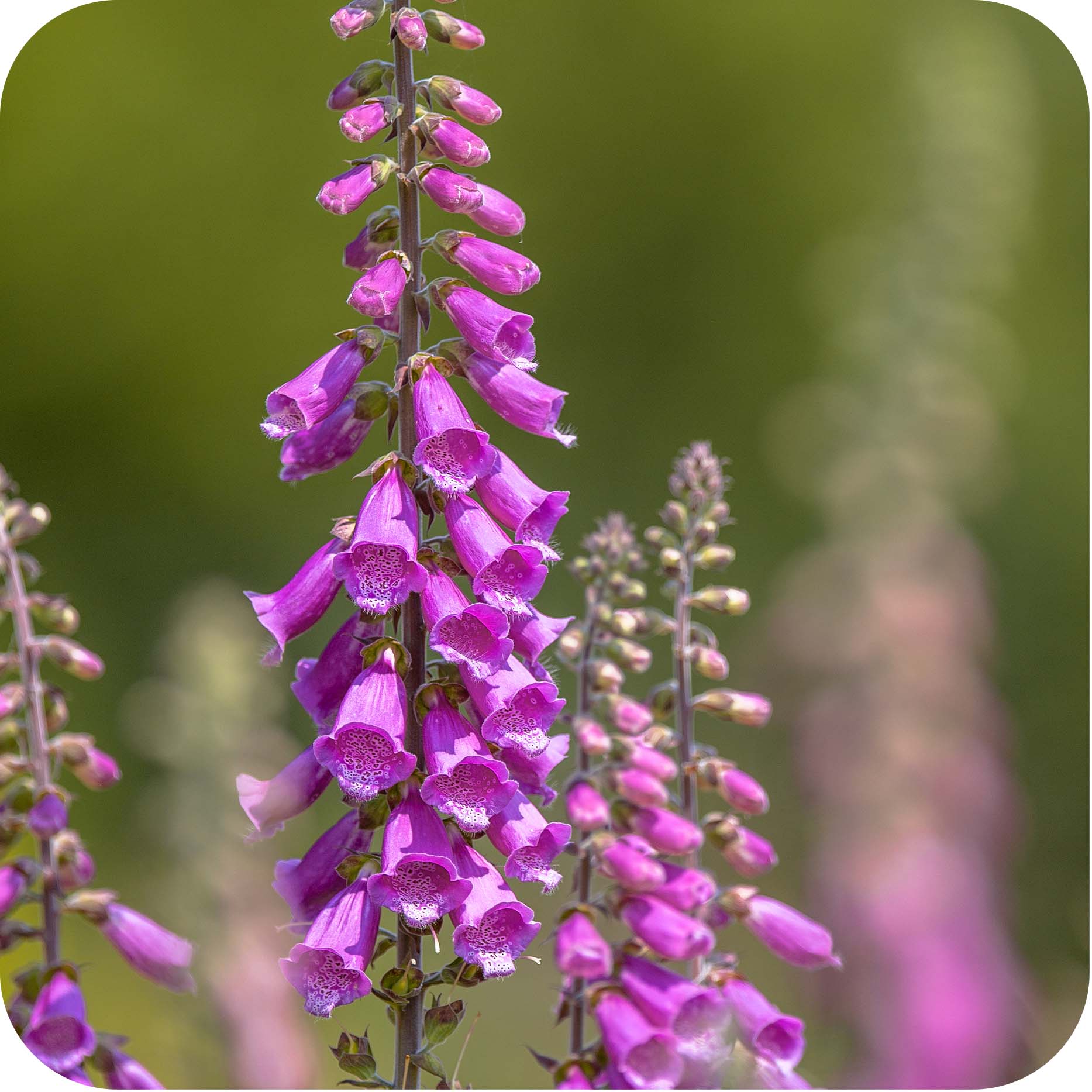
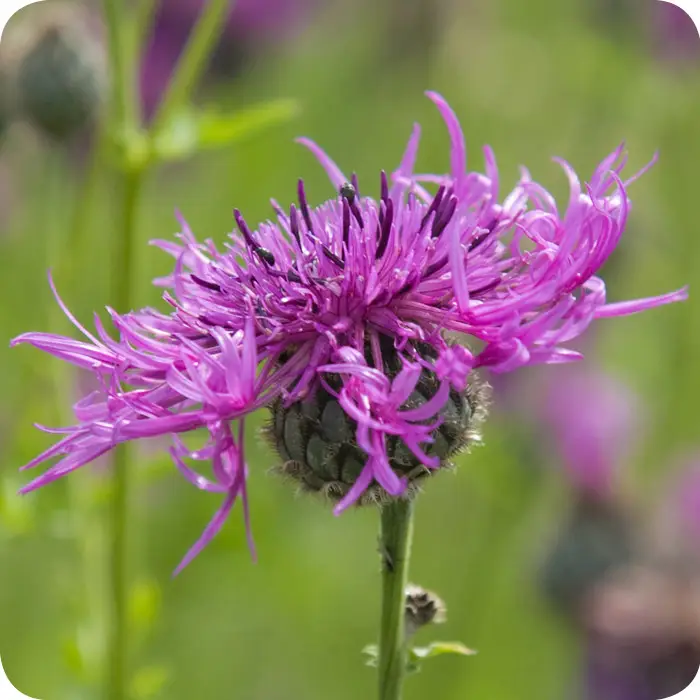
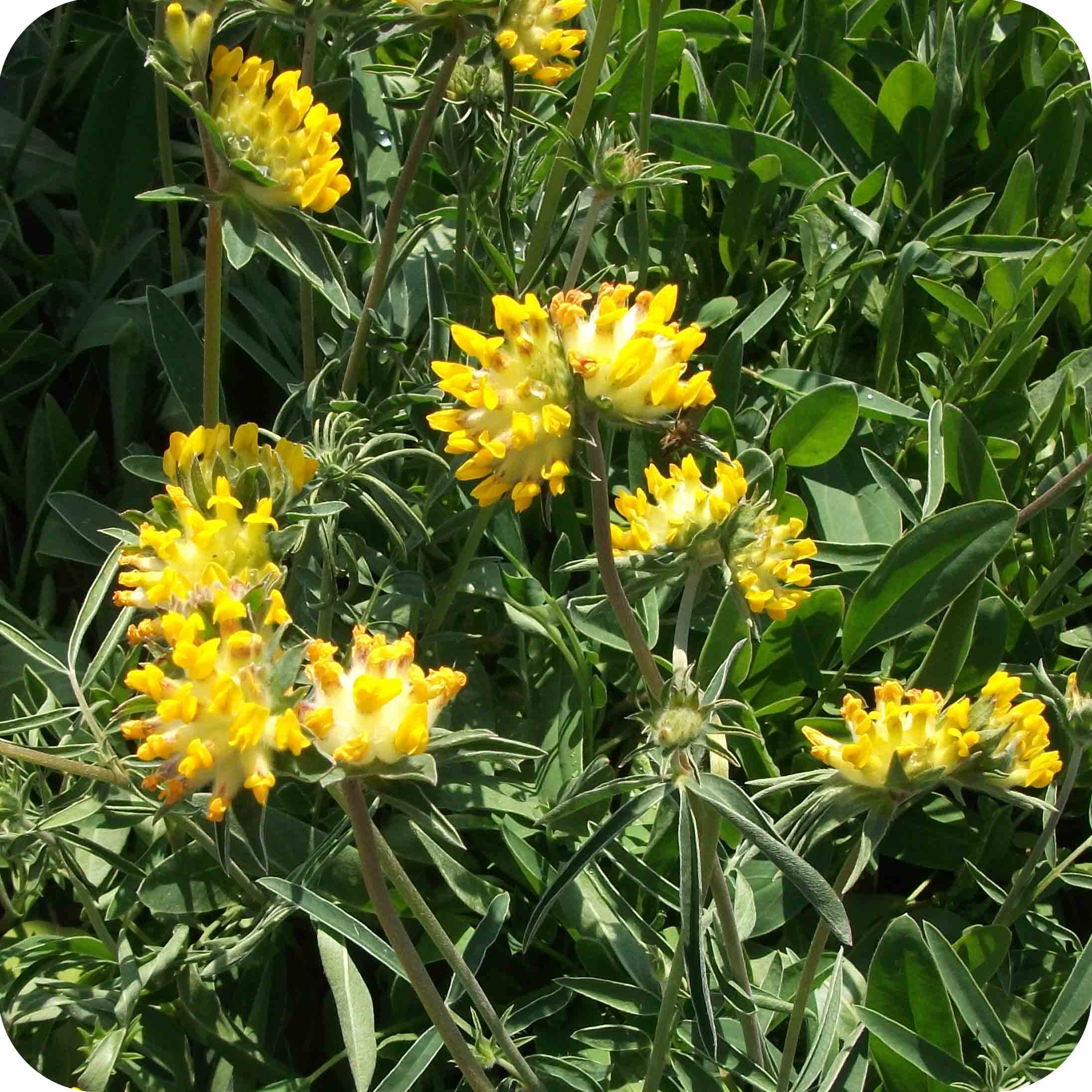
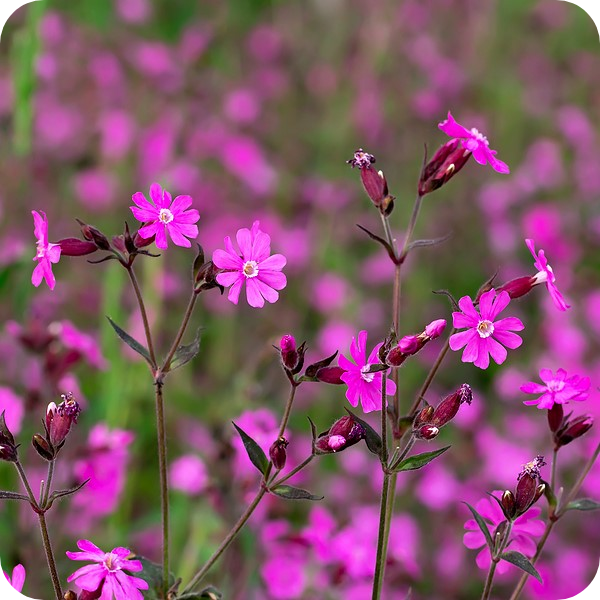
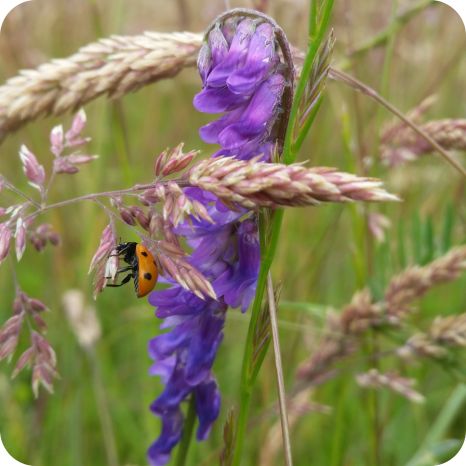
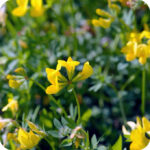
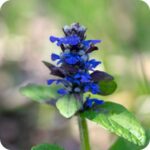
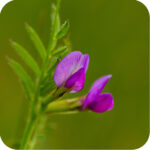
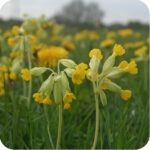
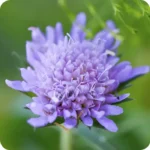
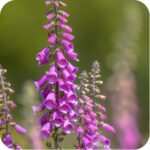
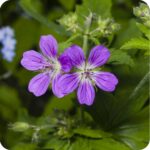
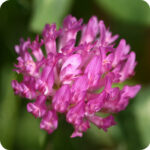
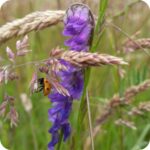
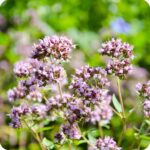
Your order will consist of a range of plants from different species as listed below – Plants are listed in photo order.
- Betony (Stachys officinalis)
- Black Knapweed (Centaurea nigra)
- Birds-foot Trefoil (Lotus corniculatus)
- Bugle (Ajuga reptans)
- Clustered Bell Flower (Campanula glomerata)
- Common Vetch (Vicia sativa)
- Cowslip (Primula veris)
- Devils-bit Scabious (Succisa pratensis)
- Field Scabious (Knautia arvensis)
- Foxglove (Digitalis purpurera)
- Greater Knapweed (Centaurea scabiosa)
- Kidney Vetch (Anthyllis vulneraria)
- Meadow Cranesbill (Geranium pratense)
- Red Campion (Silene dioica)
- Red Clover (Trifolium pratense)
- Selfheal (Prunella vulgaris)
- Tufted Vetch (Vicia cracca)
- Vipers Bugloss (Echium vulgare)
- Wild Marjoram (Origanum vulgare)
- Wild Thyme (Thymus polytrichus)
*The variety of species included in the plug plant mix depends on the time of year and stock availability.
Habitat:
These plants thrive in areas that stay generally moist for most of the year but can tolerate some summer drying. Avoid sites that flood in winter. They prefer open areas with light shade; a few species will tolerate moderate shade. Plant them in window boxes, garden beds, troughs, planters, corners, or other suitable spaces. Ensure the site is weed-free and plant directly into bare soil. The plants grow well in neutral to slightly lime-rich soils and mildly acidic soils, though very acidic or very lime-rich conditions may not suit all species. Avoid grazing or mowing the area between March and August to protect flowering and seed set.
By choosing our products, you support British growers and suppliers who work closely with local farmers and businesses. All our plants are grown from British Seed and raised in Britain. However, be aware that some online sellers import non-native plants and seeds. While these may be cheaper, they are not true UK natives and may not suit our environment.
All our plants are true UK native British wildflowers grown from UK sourced native wild seed. We grow our plants in Peat-free growing media in our sustainable nursery.
| Management | We recommend allowing these plants to flower until September. Some may flower in May-June and if these do allow them to set seed and then cut back the vegetation to about 50mm IF they die back OR if you are happy with the plant and it is still green leave it alone for next year. Only remove dead/died back material and remove cuttings. Always be aware you will have to manage weeds in the first 2-3 years after planting. |
|---|---|
| Fact Sheet Included | Yes |
| Size | 12 plugs, 24 plugs, 40 plugs |