















Hay Meadow Area Plug Plant Mix
Price range: £17.00 through £52.00
Plants are selected by us, subject availability.
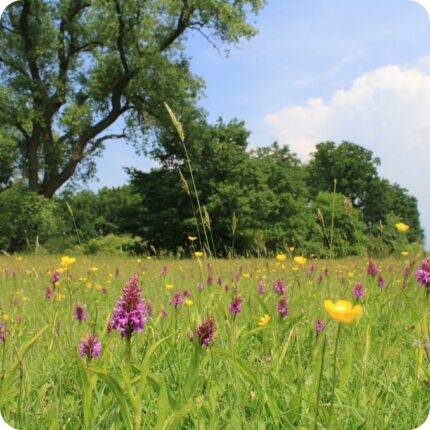
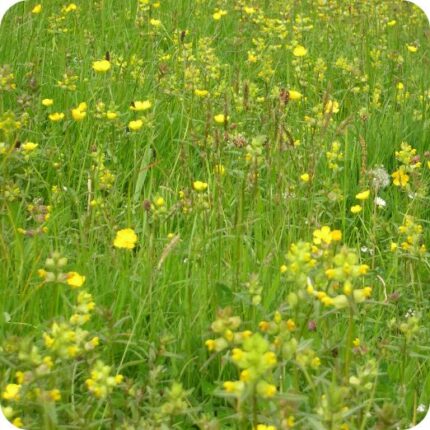
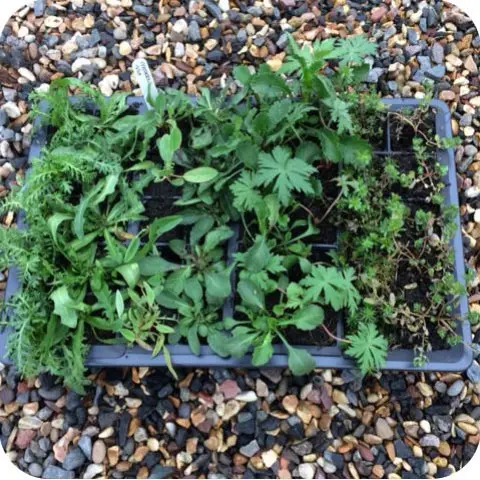
Our Hay Meadow Plug Plant Mix supplies typical wildflower species found in hay meadows. See below for habitat information. The planting density in grassland/lawn areas ranges from 3 plants per m2 up to 20 plants per m2 depending on the effect you wish to create. In a flower bed or trough allow for spacing the plants 15-20cm apart and maybe plant in groups of 3 plants for effect. You will receive planting and maintenance/management advice with your order.
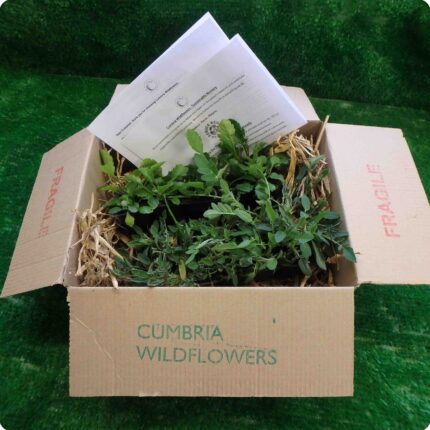
Depending on your order the plug mixes are as follows.
12 plug plant mix – 2 plants from 6 plant species
24 plug plant mix – 3 plants from 8 plant species
40 plug plant mix – 5 plants from 8 plant species
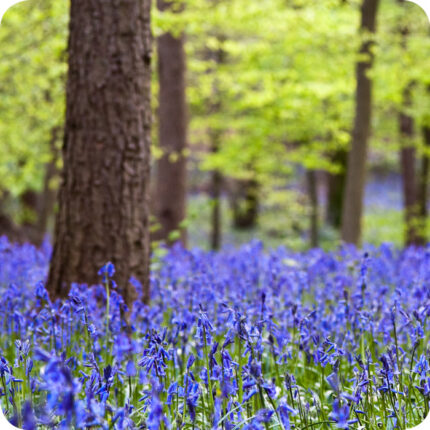
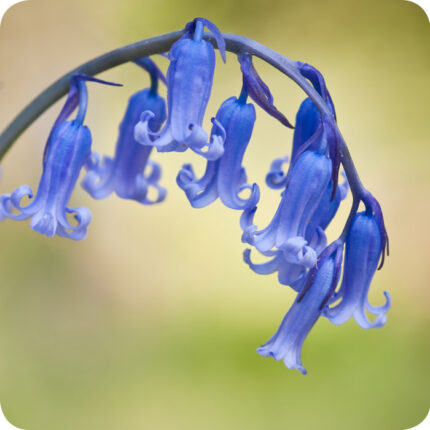
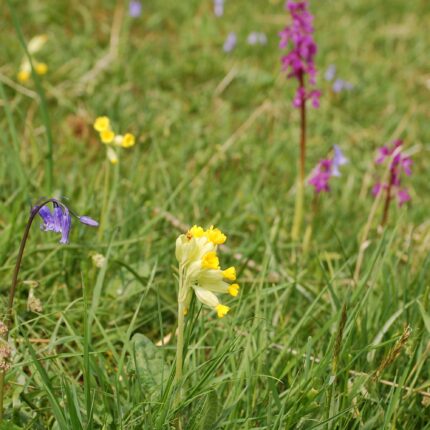
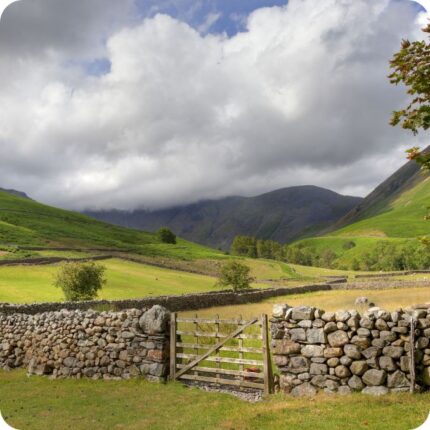
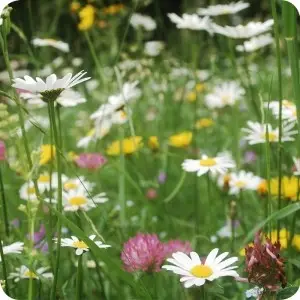
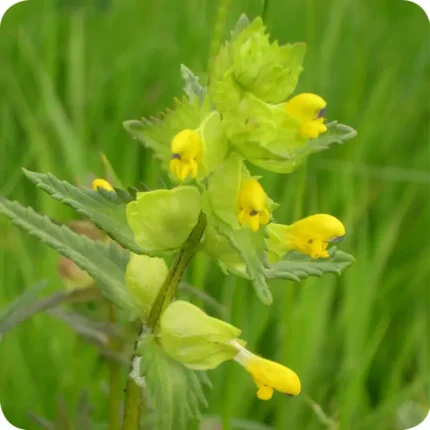
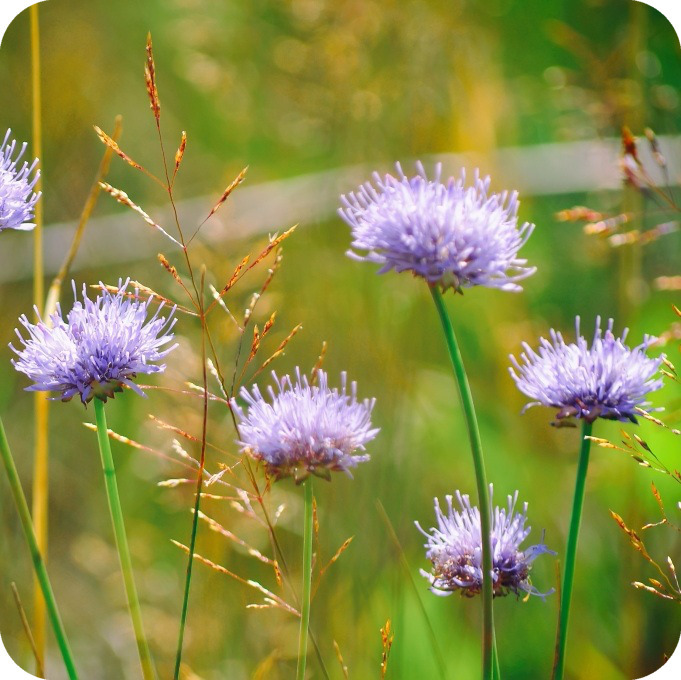
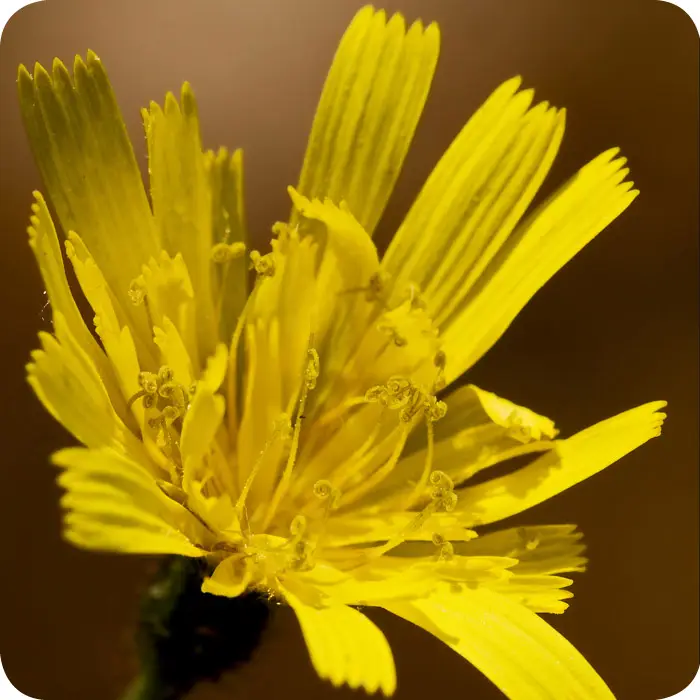
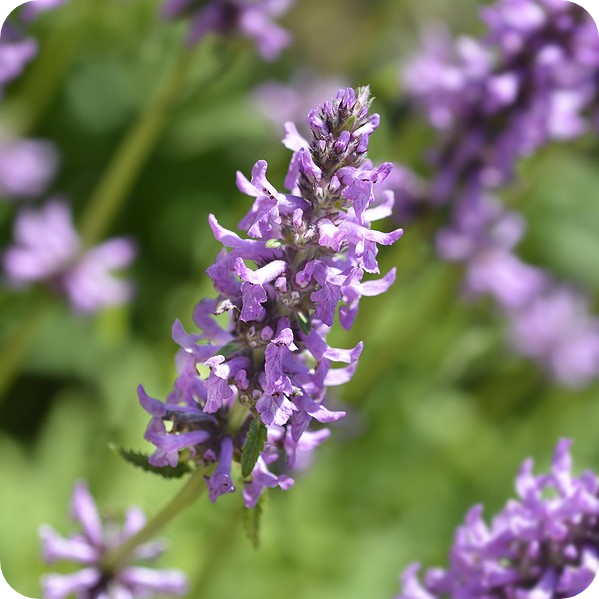
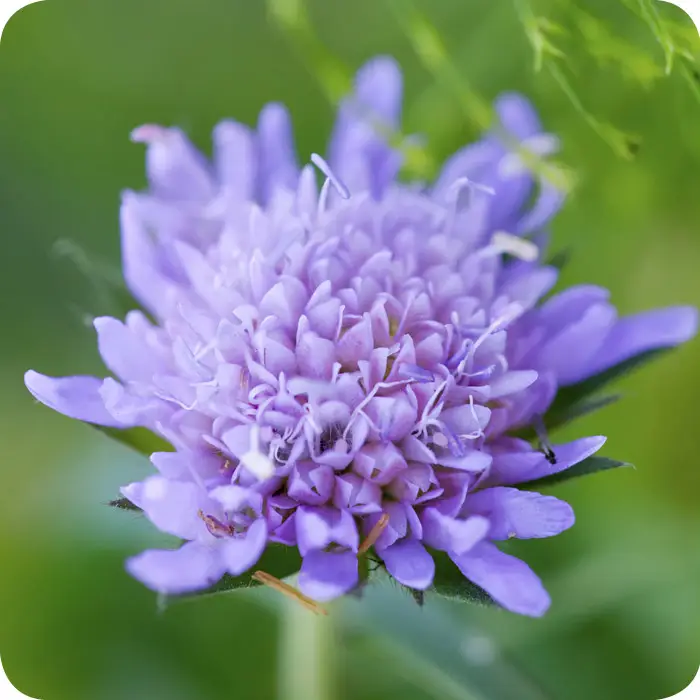
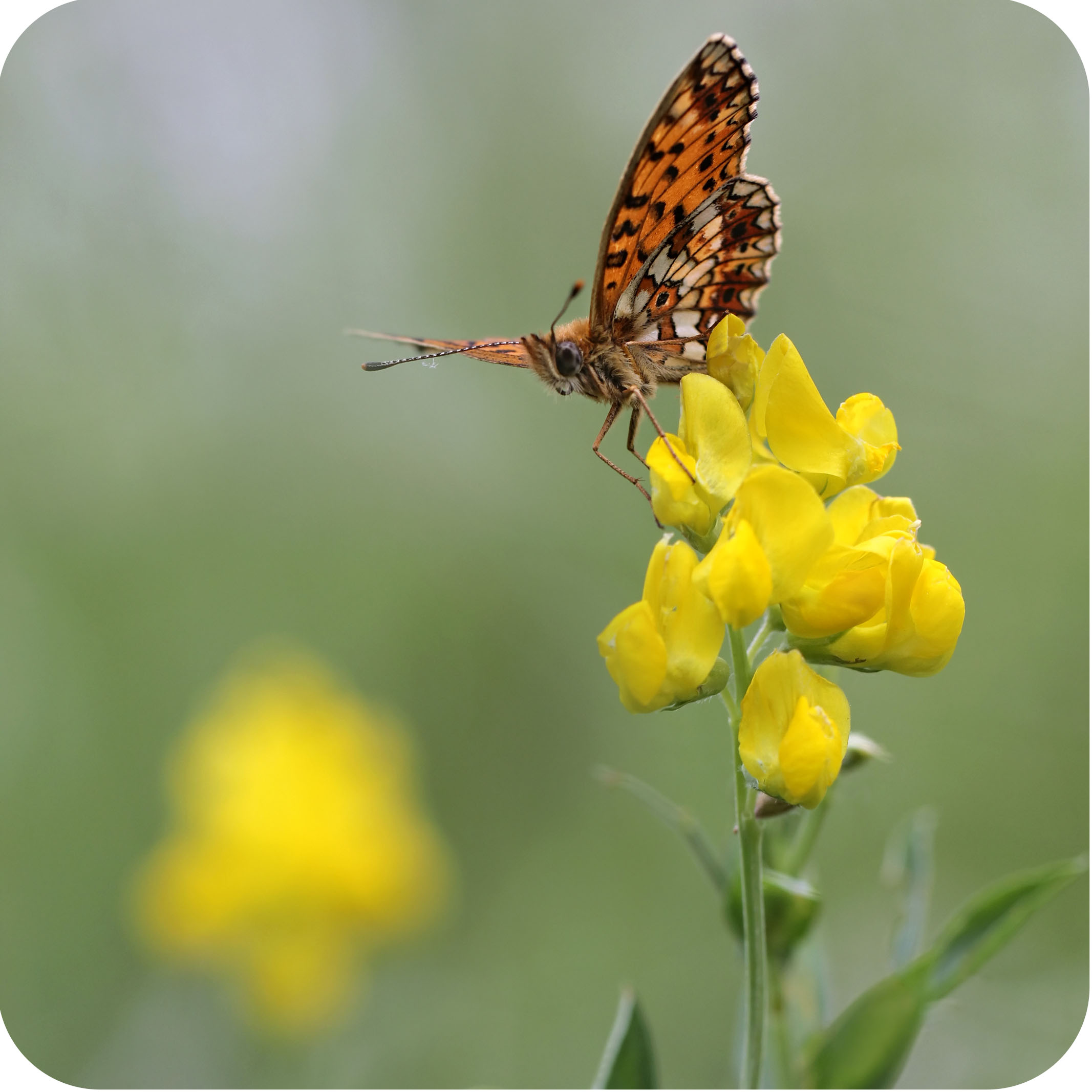
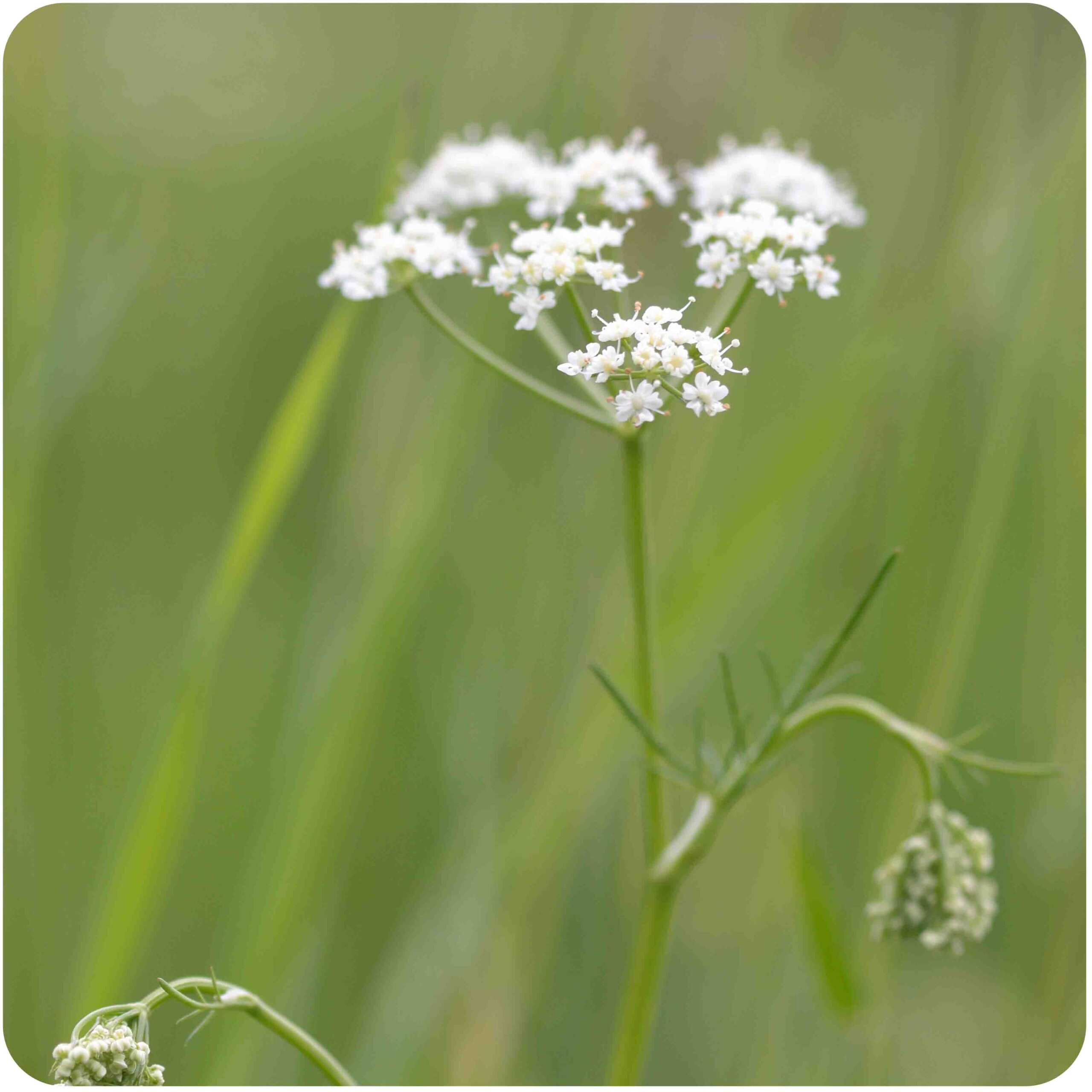
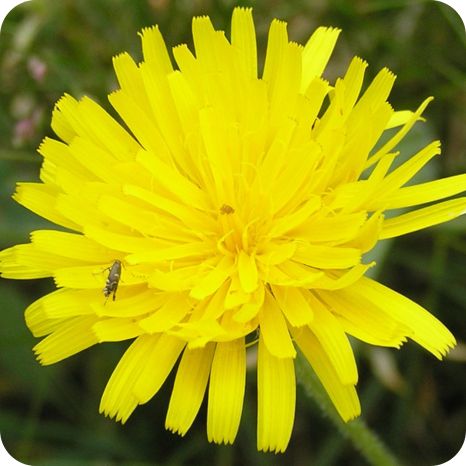
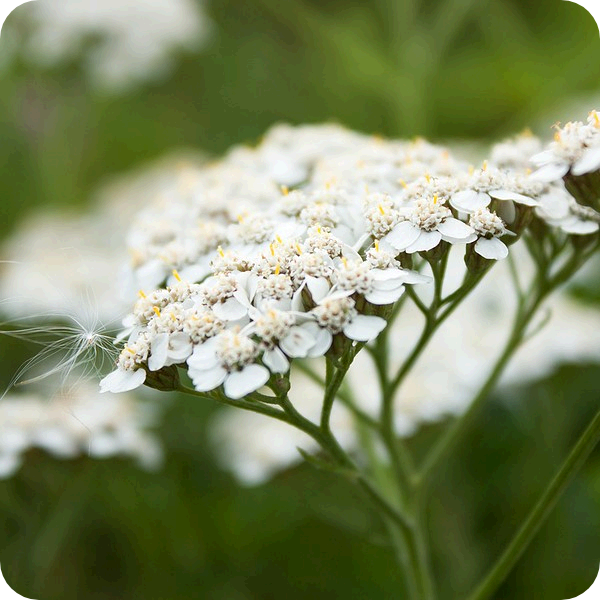
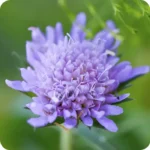
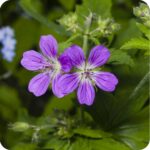
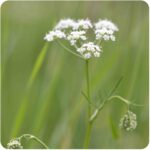
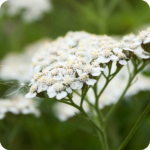
Your order will consist of a range of plants from different species as listed below – Plants are listed in photo order.
- Autumn Hawkbit (Scorzoneroides autumnalis)
- Betony (Stachys officinalis)
- Black Knapweed (Centaurea nigra)
- Birds-foot Trefoil (Lotus corniculatus)
- Common Sorrel (Rumex acetosa)
- Field Scabious (Knautia arvensis)
- Meadow Buttercup (Ranunculus acris)
- Meadow Cranesbill (Geranium pratense)
- Meadow Saxifrage (Saxifraga granulata)
- Meadow Vetchling (Lathyrus pratensis)
- Oxeye Daisy (Leucanthemum vulgare)
- Pignut (Conopodium majus)
- Red Clover (Trifolium pratense)
- Rough Hawkbit (Leontodon hispidus)
- Small Scabious (Scabiosa columbaria)
- Yarrow (Achillea millefolium)
*The variety of species included in the plug plant mix depends on the time of year and stock availability.
Habitat :
These species will do well in a garden lawn, grass verge, open field, meadow, orchard, flower bed or window box/trough. The soil must be neutral but these plants will cope with mildly acid or lime-rich soil. They can be planted in dry, moist or damp ground but avoid areas that flood or have standing water in the winter. They will do best in opens areas with full sun or partial shade but won’t do too well under heavy shade.
By choosing our products, you support British growers and suppliers who work closely with local farmers and businesses. All our plants are grown from British Seed and raised in Britain. However, be aware that some online sellers import non-native plants and seeds. While these may be cheaper, they are not true UK natives and may not suit our environment.
All our plants are true UK native British wildflowers grown from UK sourced native wild seed. We grow our plants in Peat-free growing media in our sustainable nursery.
| Management | In a Hay Meadow, Grassland or Lawn – These plants do best in a site that can either be grazed or cut as part of a hay management regime. You can replicate the action of livestock by cutting in the spring, summer and autumn. You can cut or graze in the Spring but stop by end May. Allow the plants to grow and then flower in June/July. Cut back the plants in either late July/August once seed has dropped, or remove seed heads yourself. As part of the summer cut, ensure the plants/grass are cut low (25mm high from ground) and remove all the cuttings. This opens up the ?sward’ and will benefit the plants. There may be some benefit to rake over the surface after you have cleared the cutting. If possible graze from Sept to end October or do a cut in October to keep the vegetation down. Management : Flower bed/Window Box – Treat these plants as if they are perennial herbaceous plant. Allow to flower and set seed then later on cut back to just above ground level to remove the dead part of the plant. Some of these plants may stay green over the winter and these can be pruned, remove damaged parts or cut back as with other ornamental border plants. |
|---|---|
| Fact Sheet Included | Yes |
| Size | 12 plugs, 24 plugs, 40 plugs |